

Burns are something most of us will experience at some point in our lives. It could be a splash of hot tea while making breakfast, touching a hot baking tray by accident, or spending a little too long in the sun during summer. While some burns are mild and heal quickly, others can be far more serious and may need urgent medical attention.
At Medic 365, we believe first aid knowledge should feel practical, approachable, and easy to understand. You don’t need to be a healthcare professional to help someone in an emergency.
In this guide, we’ll explain everything you need to know about how to treat burns safely, including how to recognise different types of burns and when to seek medical attention.
Everything You Need To Know About How To Treat Burns
If you’ve ever wondered whether a burn can be treated at home or if it needs professional medical care, you’re definitely not alone. It’s one of the most common first aid concerns people have.
In this article, we’ll cover:
- Symptoms and signs of a burn
- What do second degree burns look like?
- What do third degree burns look like?
- How to treat minor burns
- How to treat major burns
- How to treat a burn blister
- Why Learn First Aid With Medic 365?
By the end of this guide, you’ll hopefully feel more confident about recognising burns and knowing what steps to take if an accident happens.
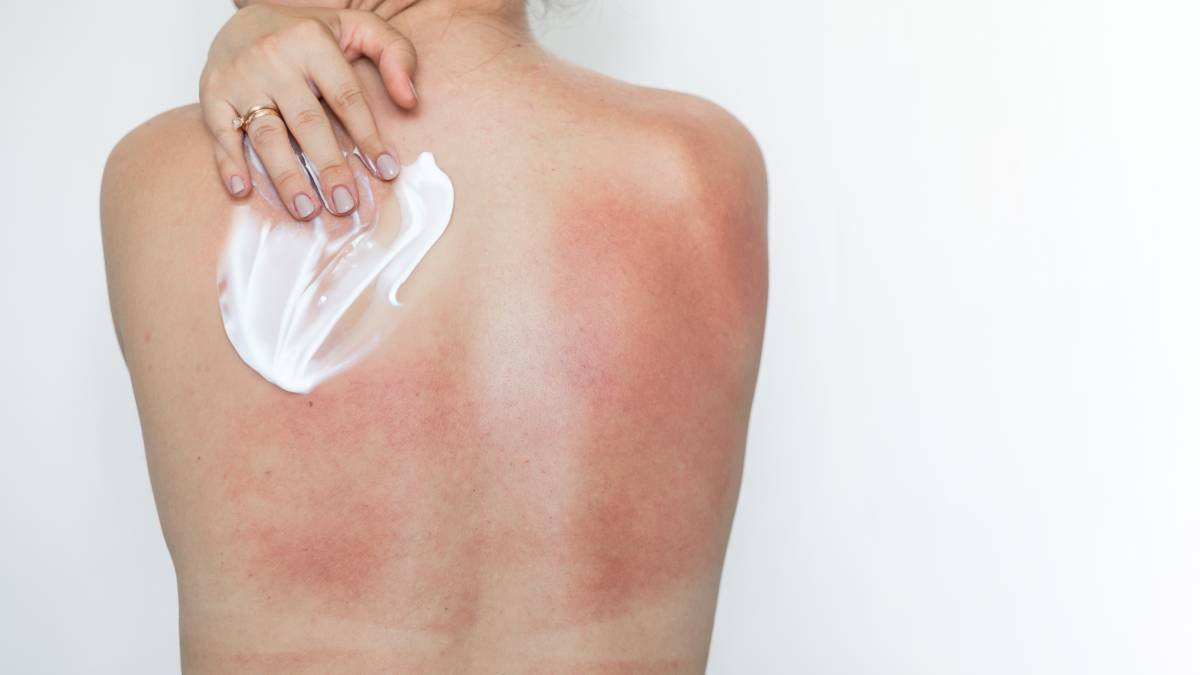
Symptoms And Signs Of A Burn
One of the biggest misconceptions about burns is that the amount of pain always tells you how serious the injury is. In reality, that isn’t always true. Some severe burns can actually feel less painful because the nerve endings have been damaged.
Burns are usually grouped into categories depending on how deeply the skin has been affected:
- First-degree burns affect the outer layer of skin
- Second-degree burns damage deeper layers of skin
- Third-degree burns affect all layers of the skin and underlying tissue
Common signs of a burn can include:
- Redness
- Swelling
- Blisters
- Peeling skin
- A wet or shiny appearance
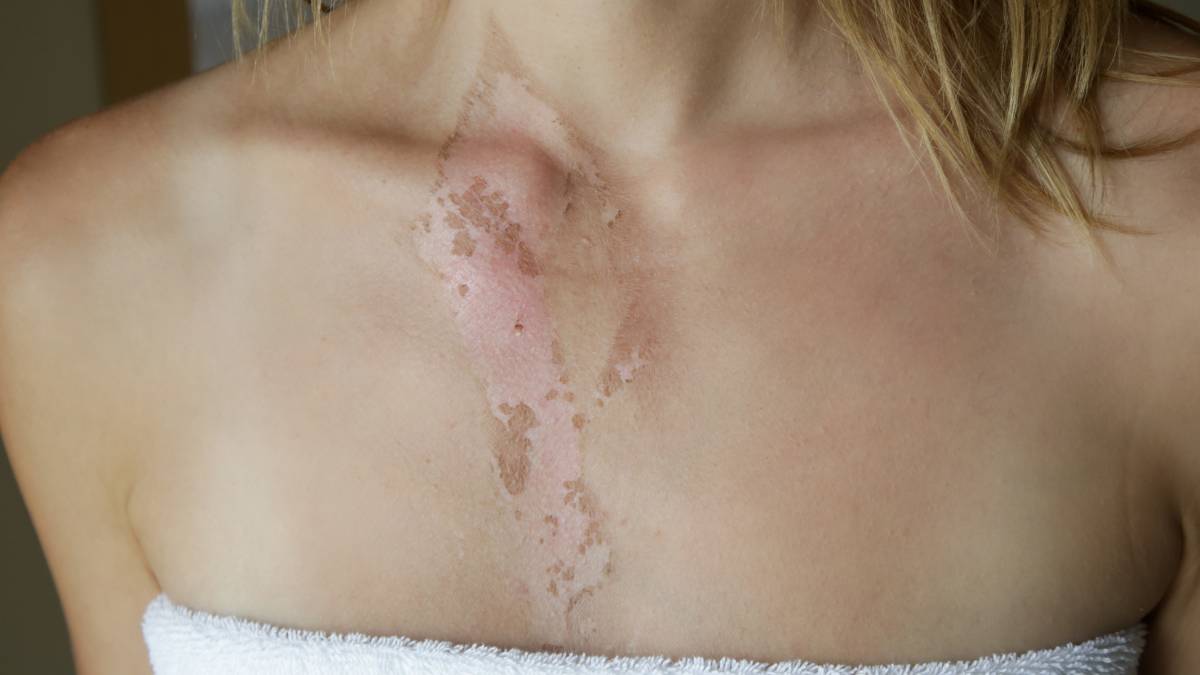
Most mild burns heal well with the right care and leave little to no scarring. However, more serious burns can sometimes cause lasting scars that affect both physical and emotional well-being. According to NHS guidance on burns and scalds, deeper burns may need specialist treatment and long-term support.
For some people, scarring from burns can have a significant emotional impact. Visible scars can affect confidence and self-esteem, especially when they occur on the face, hands, or arms. The good news is that support is available, and many people recover both physically and emotionally with the right care and treatment.
What Do Second Degree Burns Look Like?
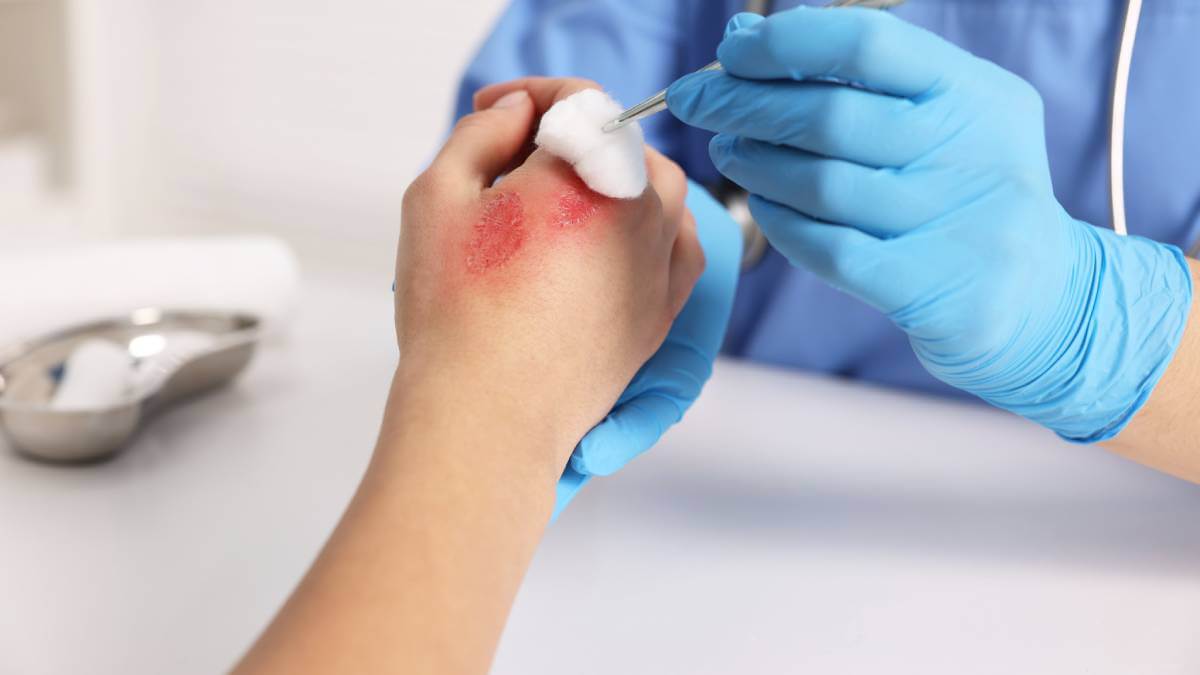
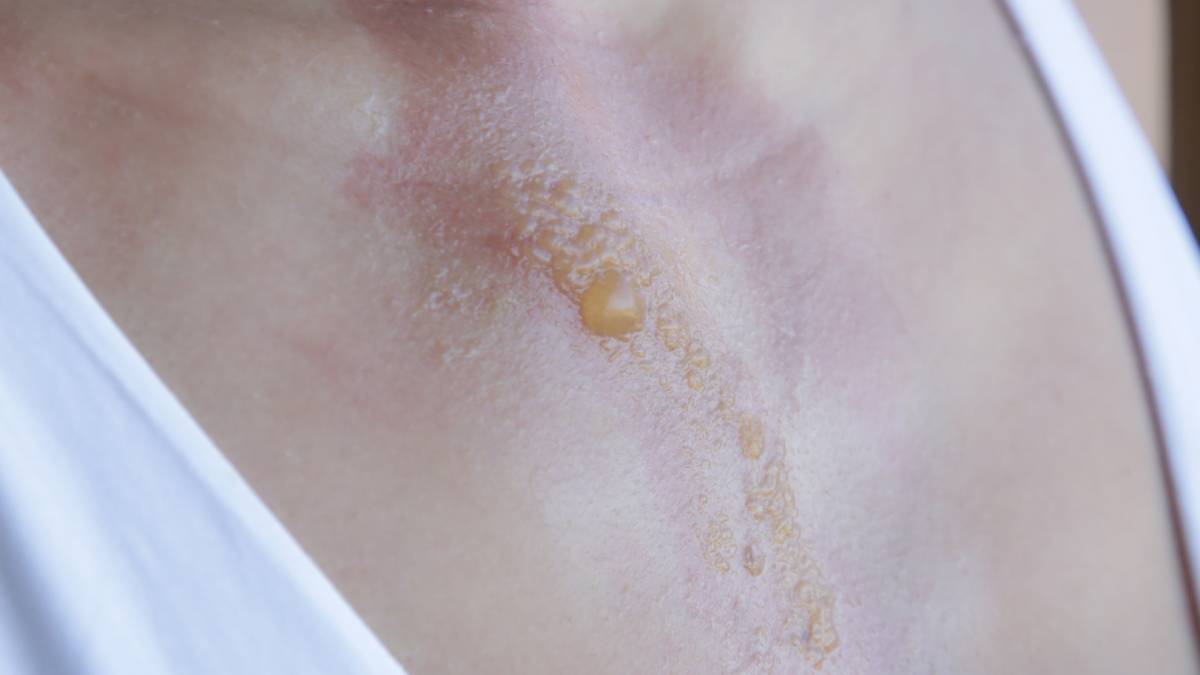
Second-degree burns are one of the most common types of burns people experience. These burns affect both the outer layer of the skin (epidermis) and the layer underneath (dermis).
A second-degree burn will often look:
- Red or dark pink
- Swollen
- Blistered
- Wet or shiny
These burns are often quite painful because the nerves underneath the skin are still exposed and sensitive.
What Do Third Degree Burns Look Like?
Third-degree burns are far more serious and always require urgent medical attention.
These burns damage every layer of the skin and can even affect fat, muscles, nerves, and blood vessels underneath.
Unlike milder burns, third-degree burns may not feel painful straight away because the nerves have been destroyed. This can sometimes make the injury seem less serious than it actually is.
Signs of a third-degree burn may include:
- White, pale, or waxy skin
- Blackened or charred areas
- Dry or leathery skin
- Severe swelling
- Little or no pain
If you suspect someone has a third-degree burn, call emergency medical help immediately. According to the NHS first aid advice, severe burns should always be treated as a medical emergency.
While waiting for help to arrive, your priority should be keeping the person safe, cooling the burn carefully, and monitoring them for signs of shock.
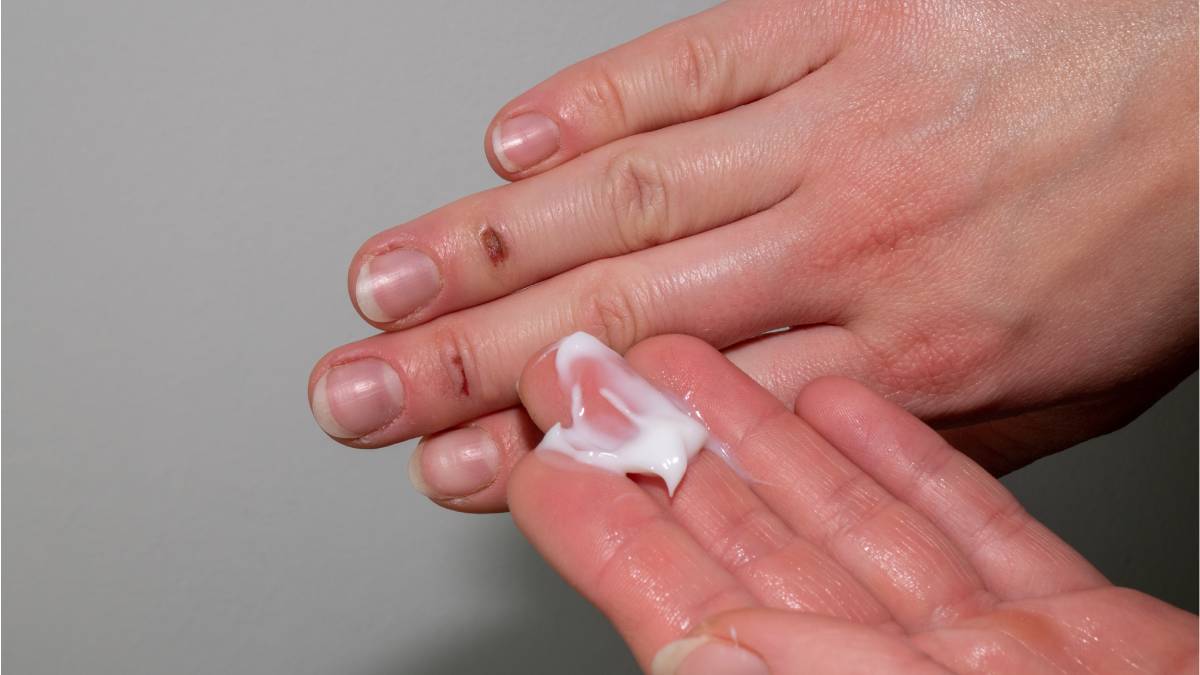
How To Treat Minor Burns
When it comes to burns, the first few minutes really matter. Quick and appropriate first aid can help reduce pain and prevent the injury from worsening.
Most first-degree burns will heal on their own with basic care. These burns usually affect only the outer layer of skin and are often caused by brief contact with heat or mild sun exposure.
So, what should you do if someone suffers a minor burn?
Cool The Burn
The first thing you should do is place the burn under cool or lukewarm running water for around 20 minutes. This helps remove heat from the skin and can significantly reduce pain and swelling.
Try not to use ice or freezing cold water directly on the burn. Although it may seem helpful, it can actually further damage the skin.
Remove Tight Items
If possible, gently remove rings, watches, or tight clothing near the affected area before swelling develops. However, never pull away clothing that has become stuck to the burn.
Protect The Area
Once the burn has been cooled, loosely cover it with cling film or a sterile non-stick dressing. This helps protect the area from dirt and bacteria while the skin heals.
Stay Hydrated
Burns can sometimes lead to dehydration, especially when a larger area of skin is affected. Drinking plenty of water can support recovery and help your body heal more effectively.
The Health and Safety Executive recommends cooling burns with running water as the safest first aid treatment.
What About Sunburn?
Sunburn is another form of burn injury that should not be ignored. Mild sunburn may improve within a few days, but more severe cases can cause blistering, dehydration, and heat exhaustion. If you’ve been sunburnt, stay out of direct sunlight, drink plenty of fluids and apply soothing aftersun products.
How To Treat Major Burns
Major burns need more urgent care and should always be taken seriously. Second-degree and third-degree burns can lead to serious complications if they are not treated properly.
If someone suffers a severe burn, staying calm is incredibly important.
Make The Area Safe
Before helping the injured person, make sure the danger has been removed. This could mean switching off electrical appliances, moving away from flames, or removing the source of the burn if it is safe to do so.
Remember, you should never put yourself in danger while helping someone else.
Remove Clothing Carefully
Remove any loose clothing or jewellery near the burn before swelling develops. However, if material has melted or become stuck to the skin, leave it in place.
Trying to pull it away can cause further damage.
Cool The Burn
Run cool water over the burn for around 10 to 20 minutes. This can help reduce swelling and limit the extent of the injury.
Avoid using:
- Ice
- Ice packs
- Creams
- Ointments
- Cotton wool
These can worsen the injury or increase the risk of infection.
Cover The Burn
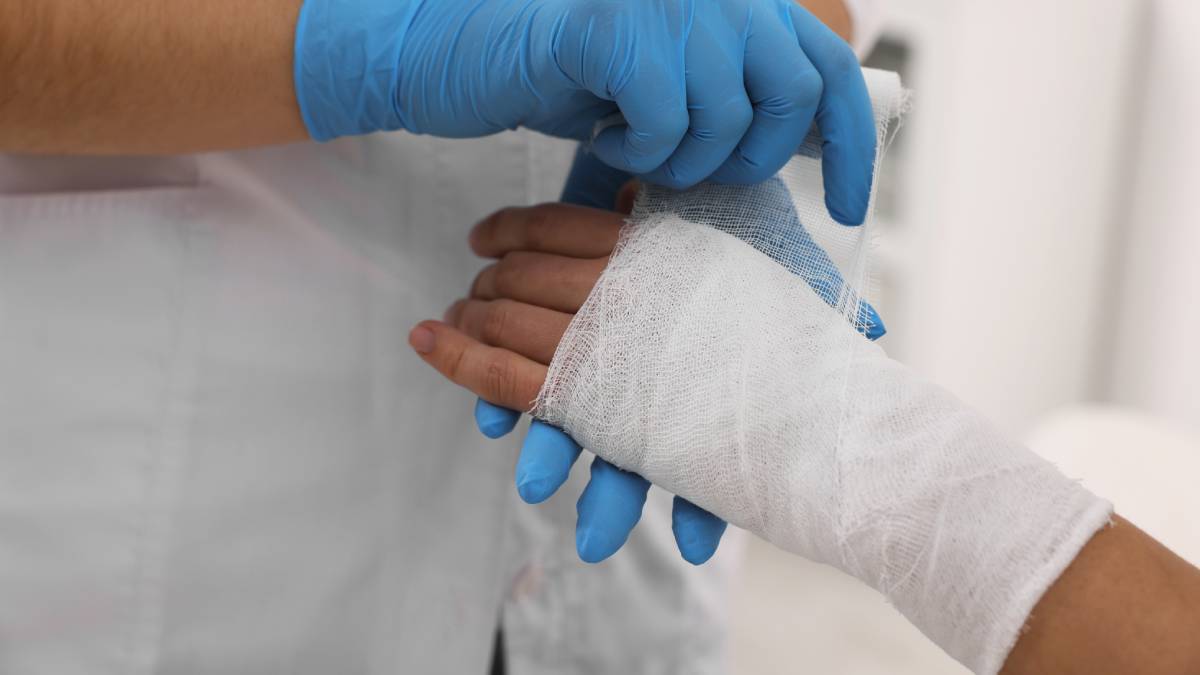
After cooling the area, loosely cover the burn with a sterile dressing or a clean, non-fluffy material.
Some specialist dressings are designed to cushion the wound and protect it while allowing the skin to breathe. Waterproof dressings can also help people continue with everyday activities while keeping the wound clean and dry.
Watch For Shock
Serious burns can sometimes cause shock, especially if a large area of the body has been affected.
Signs of shock may include:
- Pale skin
- Rapid breathing
- Weakness
- Dizziness
- Confusion
- Clammy skin
If someone shows signs of shock, lay them down carefully and call emergency services immediately.
When Should You Seek Emergency Help?
You should seek urgent medical attention if:
- The burn is larger than the person’s hand
- The burn affects the face, hands, feet, or genitals
- The skin looks white, blackened, or leathery
- The person is struggling to breathe
- The burn was caused by electricity or chemicals
- A child or elderly person has been burned
These are exactly the kinds of emergencies covered in our first aid work courses in Milton Keynes, helping people feel better prepared to respond calmly and effectively when accidents happen.
How To Treat A Burn Blister
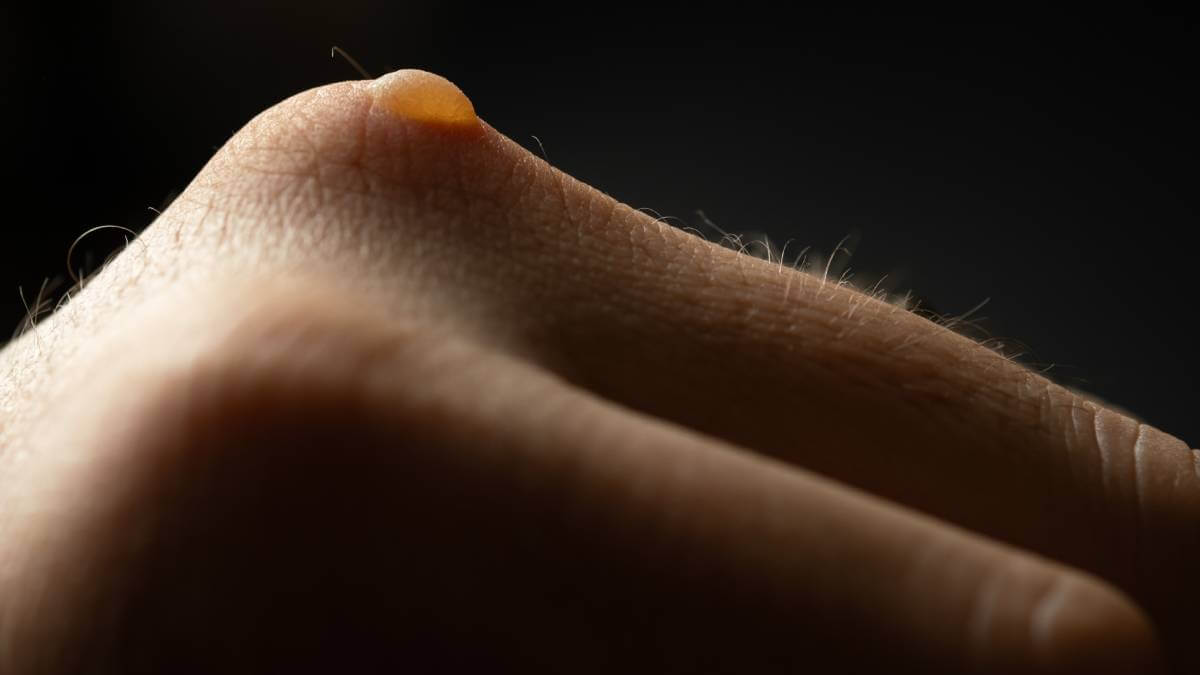
Burn blisters are very common with second-degree burns. Although they can look unpleasant, they actually play an important role in protecting the damaged skin underneath.
The blister acts like a natural barrier, helping reduce the risk of infection while new skin forms underneath.
Should You Burst A Burn Blister?
In most cases, no. It’s usually best to leave blisters alone whenever possible.
Bursting a blister too early can expose the wound to bacteria and slow down healing.
Instead, try to:
- Keep the area protected
- Avoid rubbing or pressure
- Keep the blister clean
- Monitor it closely
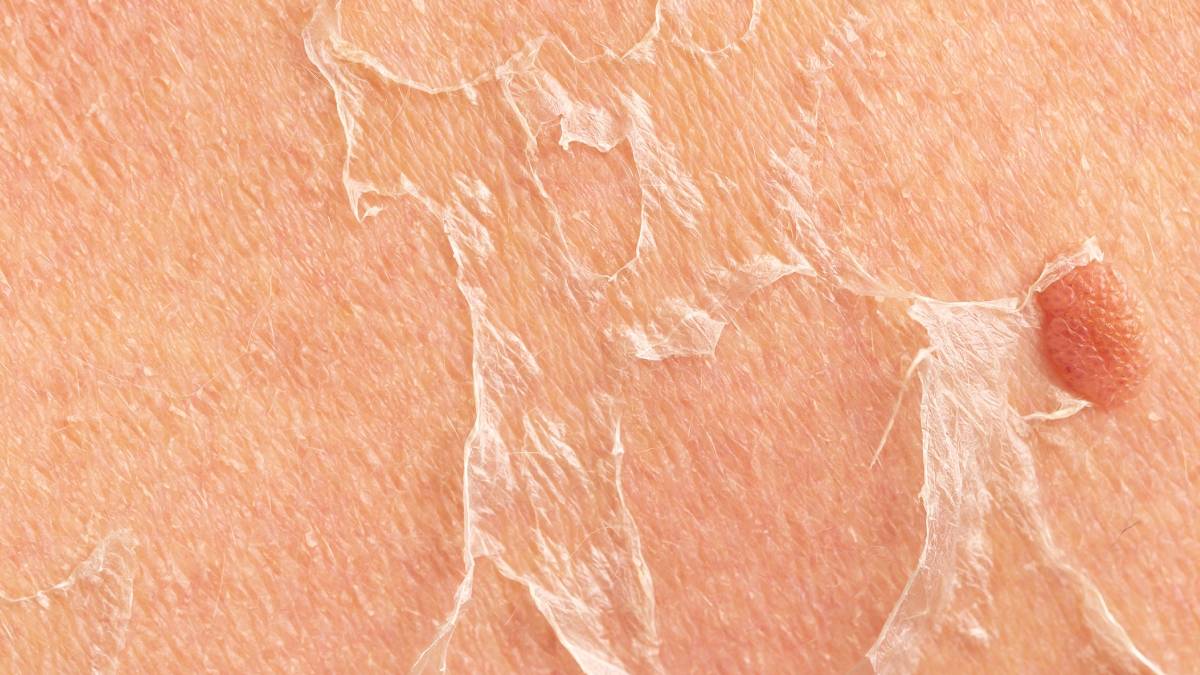
What If The Blister Bursts Naturally?
Sometimes blisters burst on their own, especially in areas that move frequently.
If this happens:
- Wash the area gently with mild soap and water
- Let the fluid drain naturally
- Don’t peel away loose skin
- Cover the burn with a sterile dressing
- Change dressings regularly
Keeping the wound clean is one of the most important parts of preventing infection.
Signs Of Infection
You should seek medical advice if you notice:
- Increasing redness
- Swelling
- Pus or discharge
- A bad smell
- Fever
- Worsening pain
These symptoms may suggest the wound has become infected and needs professional treatment.
Choosing The Right Dressing
Burn dressings help protect wounds while creating the right environment for healing.
Some dressings are waterproof, allowing people to continue normal activities such as washing or showering without worrying about the wound becoming wet. Others are designed for sensitive skin and are easier to remove without irritating the skin.
Learning how to manage wounds properly is one of the many practical skills covered during a first aid work courses in Milton Keynes with Medic 365.
Why Is Burn First Aid So Important?
Burns can deteriorate rapidly if not treated properly. Even relatively small burns can become infected or leave long-term scarring if the correct first aid isn’t provided early.
Providing fast and appropriate treatment can help:
- Reduce pain
- Minimise skin damage
- Lower infection risk
- Improve healing
- Reduce scarring
- Prevent complications
In serious situations, good first aid can even save lives.
The more people who feel confident providing emergency support, the safer our workplaces, schools, and communities become overall.
Common Mistakes People Make When Treating Burns
There’s still a lot of outdated advice surrounding burns, and unfortunately, some common “home remedies” can actually cause more harm than good.
Some of the most common mistakes include:
- Applying butter or oils
- Using toothpaste
- Putting ice directly on the skin
- Popping blisters unnecessarily
- Using fluffy dressings that stick to wounds
- Ignoring signs of infection
Having proper training helps people avoid these mistakes and respond safely during emergencies.
Burn prevention is a topic we regularly discuss during our first aid work courses in Milton Keynes, helping businesses create safer working environments for staff and visitors.
Why Learn First Aid With Medic 365?
At Medic 365, we understand how stressful emergencies can feel, especially if you don’t know what to do. That’s why our first aid training is designed to feel practical, supportive, and easy to follow. If you would like to learn more about what is included in the training we provide, read our article on first aid training.
Our courses combine real-world experience with hands-on learning to help people feel genuinely confident in emergency situations.
Whether you’re looking to improve workplace safety, gain a new life skill, or meet compliance requirements, our first aid work courses in Milton Keynes provide practical training that prepares you for real-life situations.
We cover a wide range of topics, including:
- Burns and scalds
- CPR
- Choking
- Severe bleeding
- Shock
- Medical emergencies
Our goal is simple: to help more people feel capable of stepping forward and helping when it matters most.
Final Thoughts On How To Treat Burns
Knowing how to treat burns properly is one of those skills you hope you never need, but when an accident does happen, it can make a real difference. Whether it’s a minor burn from cooking at home or a more serious workplace injury, being able to stay calm and respond quickly can help ease pain, reduce the risk of complications, and support the healing process.
Although many burns can be treated with basic first aid, some injuries need urgent medical care. Understanding the signs to look out for and knowing when to seek professional help are important ways to keep yourself and others safe.
At Medic 365, we know that emergencies can feel overwhelming, especially if you’re unsure what to do. That’s why our training focuses on practical, hands-on learning that helps people feel more confident in real-life situations. Through our first aid work courses in Milton Keynes, we help individuals and businesses build the skills needed to respond calmly and effectively during emergencies.
If you’d like to feel more confident handling situations such as burns, choking, CPR, or other medical emergencies, the Medic 365 team is here to help.